

From Shenzhen to Delft: SynCell Global enters substantive operational phase
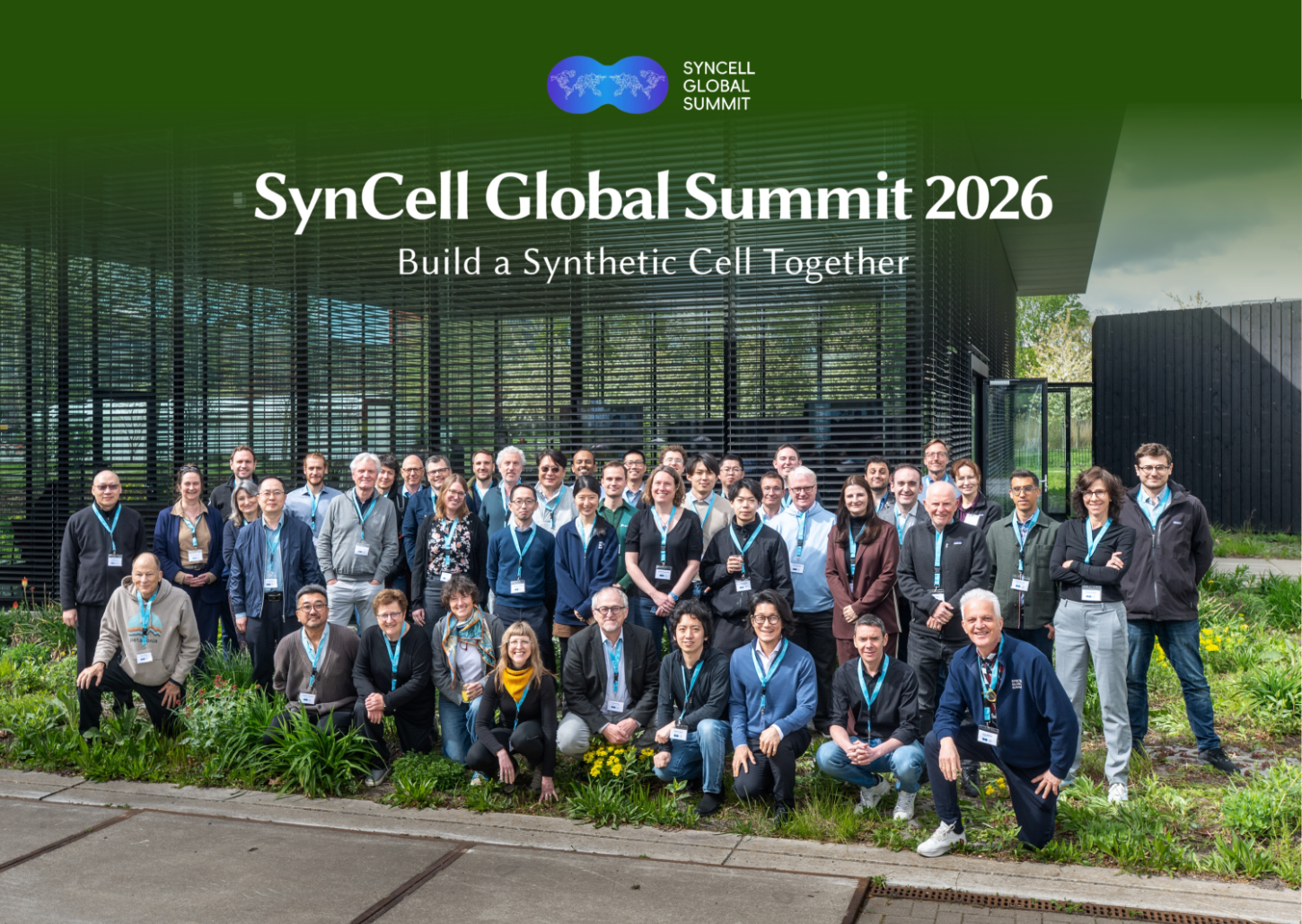
From April 19 to 21, the SynCell Global Summit took place at Delft University of Technology, bringing together 40 leading synthetic cell scientists from 13 countries, representing 30 research institutions and organizations. The conference marked a reunion of the three major regional alliances: SynCell Asia, SynCell EU, and the Build-a-Cell alliance (USA), and officially handed over the hosting rights for the next conference to the University of Minnesota, USA.
The summit reached a consensus on multiple core scientific challenges in synthetic cell research, including conceptual definitions, theoretical modeling, genomics and genetics, initiation mechanisms, in vitro transcription-translation, ribosome function, metabolism, growth and division, system integration, standardization, and applications.
Significant progress was made on several fronts. In standardization, for example, participants agreed on the importance of establishing unified norms for components, construction methods, system configuration, and functional characterization; building open editing platforms to share standardized protocols, sequence data, and structural data; promoting a shift from qualitative to quantitative research; introducing automation to improve reproducibility and throughput; and prioritizing process standardization. These proposals received strong recognition from attendees.
Scientists from the Netherlands, Germany, France, the United Kingdom, Spain, Israel, the United States, Canada, China, Japan, the Republic of Korea, Singapore, and Brazil convened and led discussions throughout the conference.
Since 2023, the Shenzhen Institute of Advanced Technology (SIAT) has launched the SynCell Asia Initiative and organized a series of workshops. In 2024, SIAT hosted the inaugural SynCell Global Summit and facilitated the formation of the International Consortium’s Organizing Committee. With the summit now having taken place in Delft and set to convene next year in Minnesota, this academic collaboration mechanism has entered a substantive operational phase with sustainable momentum.